Blog
What we learn running open models in production
Inference, infrastructure in Europe, the AI Act and the odd experiment, written by the team that runs the platform.
Latest
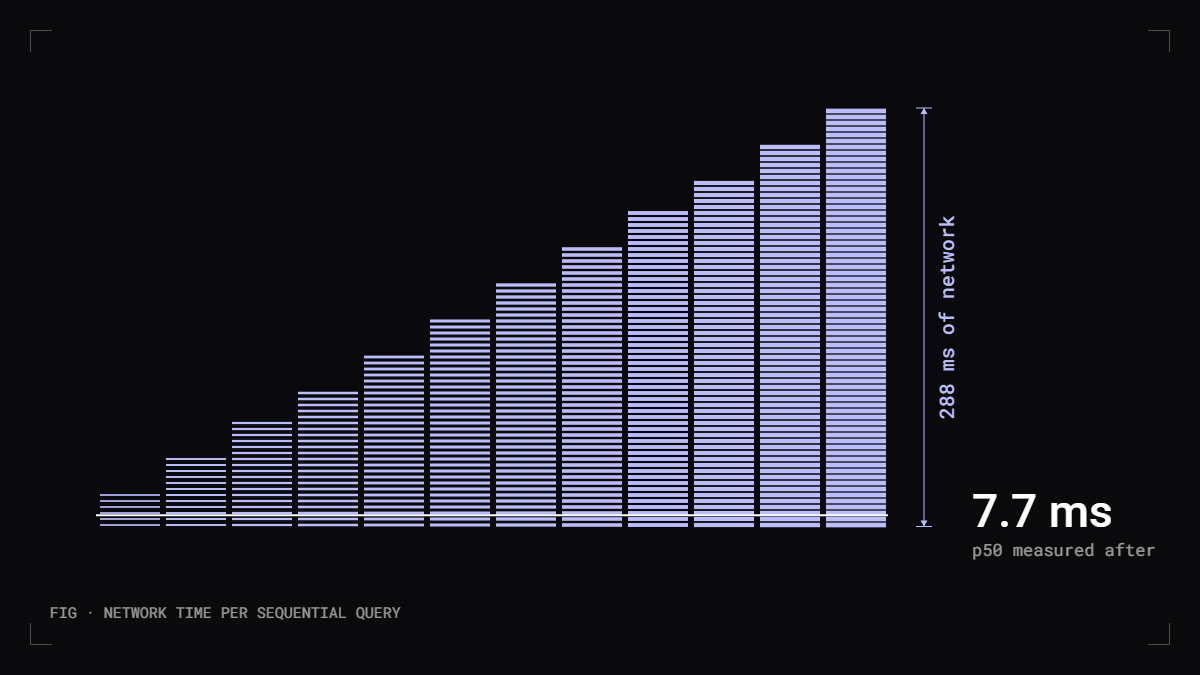 We moved PostgreSQL between data centers without a maintenance window We moved several PostgreSQL databases on Kubernetes into the same data center as their applications, with CloudNativePG and a single primary switch per database. Some operations are now up to 35 times faster. By Pau Morillas
All posts
-
 How to create an abliterated model The step-by-step manual with the real case of the Qwen3.8-27B we operate for cybersecurity. Extract the refusal direction, cut the weights without breaking anything, and measure its behavior, with all the numbers.
-
 Can DeepSeek beat Claude Opus at coordinating AI agents? With Agent Swarm we tested an architecture with rules and Clef, Cloudflare's decision model. As coordinator, DeepSeek went from 83% to 100% success, above Claude Opus 5.5's 93%.
-
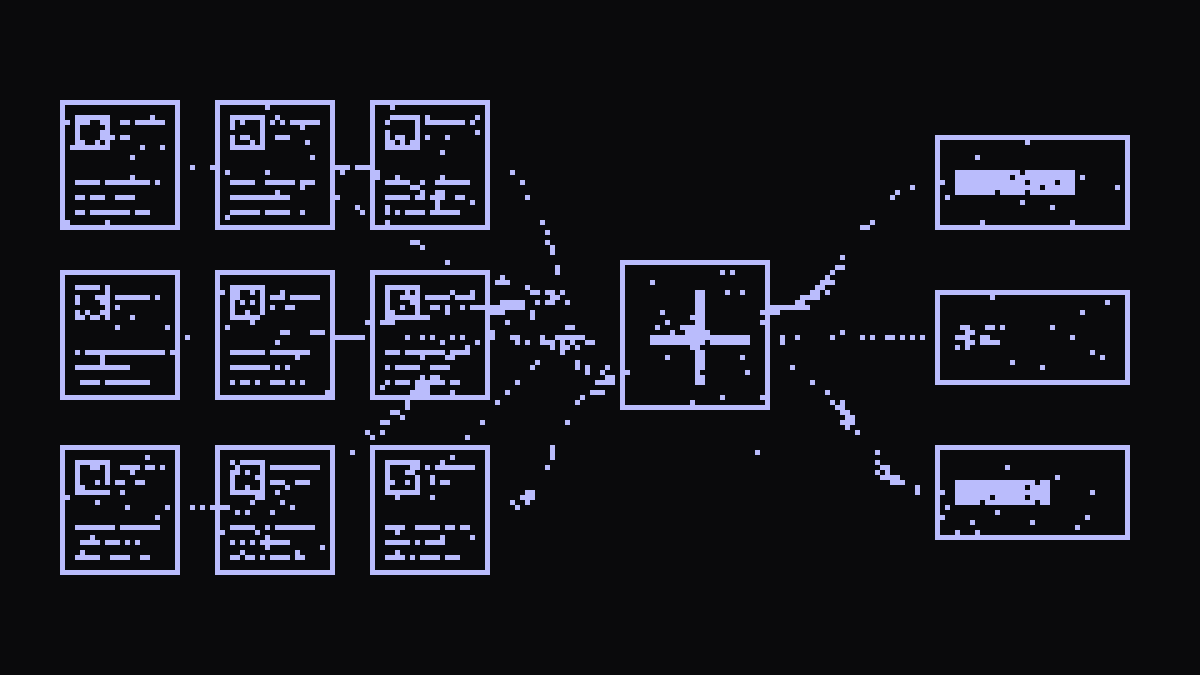 You can become a high-risk AI provider without training a model Spain's data protection authority has warned a company that wanted to score CVs with AI. The case shows something many teams miss: when an application built on someone else's model makes you a provider under the AI Act.
-
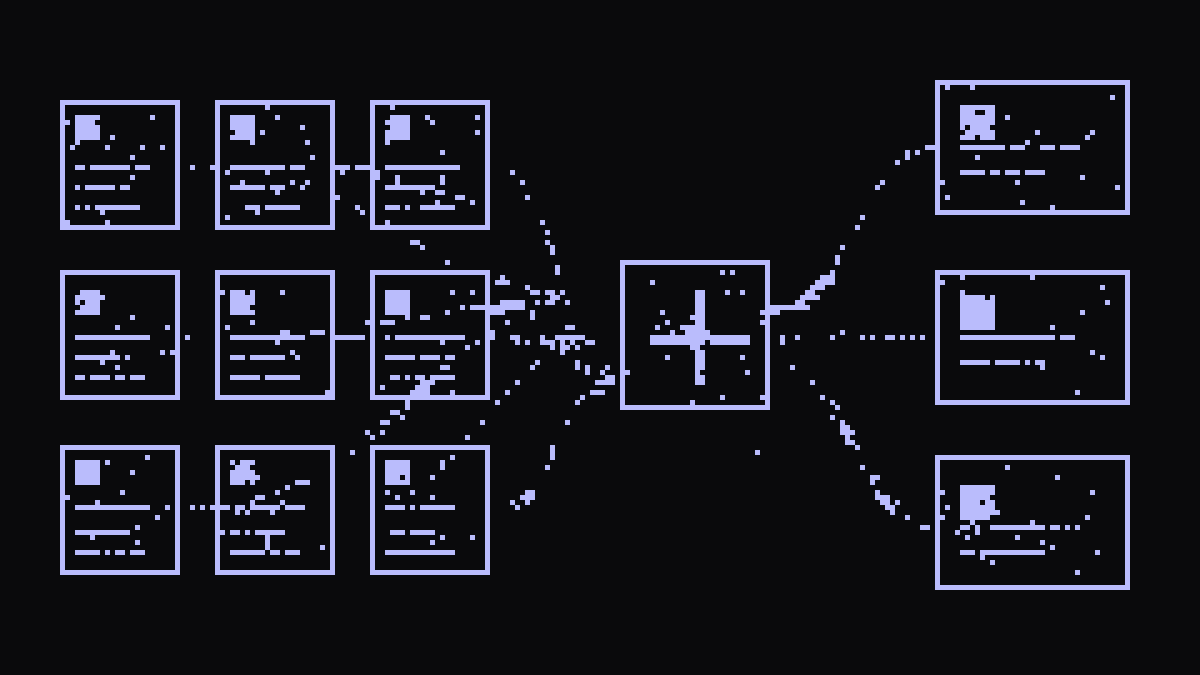 How DeepSeek's Super-agent works DeepSeek wants us to stop watching every session. I went through its prototype and its experiments to understand how it plans to do that.
-
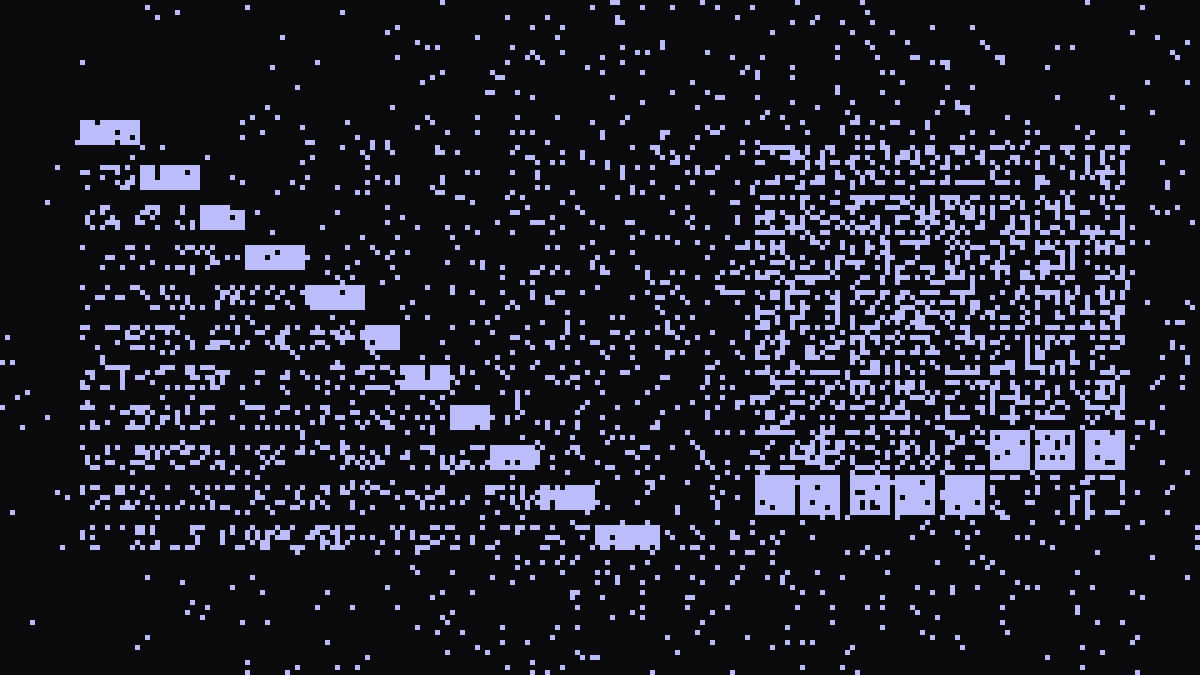 Serving agents with vLLM on your own GPU A Claude Code session is about 174 requests of 100,000 tokens each. What that does to a GPU, why with agents compute runs out before memory, and the same maths on a 16 GB card.
-
 DeepInfer explained: how DeepSeek's inference engine works DeepSeek open-sourced DeepInfer, the engine it serves V4.1 Flash with. How it works, what it optimises and how to read its benchmarks.
-
 Open models have never been this good. So why do companies keep choosing closed ones? Open models now compete with closed ones on quality at a fraction of the cost. Why many companies still hold back, and what changes when you separate the model from who runs it.
-
 DeepSeek V4.1 Flash 1017: smarter, better at coding and less than half the cost per task DeepSeek updates V4.1 Flash: up from 39 to 45 on the Artificial Analysis index, with cost per task down 54%. We put it to work on a website and a video.
-
 Iris-3B vs the big ones: a 3B image model on one GPU Iris-3B, an open 3B image model that generates in pixel space with no VAE, against GPT Image, FLUX and friends on the BudgetPixel Arena prompts.
-
 Which open model to use instead of Claude, GPT or Gemini If you use Claude, GPT or Gemini today, this is the open model we would test first for the same job, compared by model class and by workload.
-
 How and Where the Information You Give AI Travels The prompt you type is only a fraction of what an AI system sends to the model. What actually travels, where it crosses, and what stays on the other side.
-
 AI Sovereignty: Who Controls Your Company's Intelligence? Knowing where your intelligence runs, what happens to your data and whether you can still change those decisions. A framework for AI sovereignty.
-
 DeepSeek V4.1 Flash and the 890 bytes that matter for agents Live on Helmcode, replacing V4 Flash at no extra cost. It redesigns inference for a workload that keeps growing: agents that read far more than they write.
-
 Build your own Granola with open models Record and transcribe your meetings with open models, turn them into structured data, and build a searchable memory of every conversation you have had.
-
 GLM 5.3 is now available on Helmcode GLM 5.3 ties Kimi K3 at the top of the open models and runs on our European infrastructure with 1M of context and the same 150 euros a month.
-
 Does building your own infrastructure to run open models pay off? We did the maths An 8x H200 node serving GLM-5.2 costs €25,250 a month before it serves a single token. The full numbers, the break-even, and when owning the hardware wins.
-
 Which open model for which job Eleven open models solve the 80 enterprise use cases in our guide. The three axes that decide which one, and fifteen cases with theirs next to them.
-
 Cordis: the paper behind the DeepSeek Harness architecture The five theorems in the Cordis paper, the plugin framework behind DeepSeek Harness, explained in plain language and with what already runs in production.
-
 What a town hall of 20,000 residents can do with AI What a small town hall actually automates with open models: filings, minutes, notices, grant calls and by-laws, with human review kept in place.
-
 Watermarking and the AI Act, explained: how it affects you as a company, as a developer, and what happens with open models Anthropic is going to watermark Claude's text, and the reason is Article 50 of the AI Act. What it requires, who it binds, and what changes with open models.
-
 GLM 5.2 orchestrates, DeepSeek V4 Flash executes How to design multi-model systems where one open LLM plans, another executes, and the context they hand each other stays efficient.
-
 GLM 5.2 is now available on Helmcode GLM 5.2, the 744B MIT open model, now runs on Helmcode's European infrastructure with zero logs and a flat rate of 150 euros a month.
-
 The AI Act explained: what actually applies in August The calm version of the AI Act: which obligations really apply to you from 2 August, which ones the Omnibus moved, and what to have ready.
-
 Talk to any document: how Knowledge works in Helmcode Upload your documentation once or connect a Git repository, then ask it from the chat. Every answer cites the document it came from.
-
 Which GPU do you need to serve AI models FP8, NVFP4, H200, B200: what each NVIDIA generation accelerates in hardware, how much VRAM your model needs, and which GPU to buy. With real production data.
-
 How to Generate Professional Images in Helmcode: The Complete Prompting Guide The difference between an image that screams 'AI' and a professional one isn't the model, it's the prompt. The complete guide to generating great images in Helmcode.
-
 hello, world: borja pérez here_ New hire at Helmcode: communication, marketing and community. Who I am, what I'm here to do, and what we're planning for the NaN community.
-
 Qwen3.6 on an RTX PRO 6000 at full scale How we moved Qwen3.6-35B to NVFP4 on a single RTX PRO 6000, why it kept crashing, and the one-line fix that turned out to be a cuDNN bug, not a vLLM bug.
-
 NaN: the community's first month in numbers 117 billion tokens, 3.68 million requests, 21 countries, and 99.98% uptime. NaN is a community of builders with its own inference infrastructure and a private platform to deploy apps and agents.
-
 AI for Dummies - Part 1 In this post we'll learn what parameters and quantization are, so we can figure out how much space AI models take up.
-
 How to set up an inference server to serve AI models In this post I'll walk you through how the community's inference servers are set up: the hardware we use, the stack we run, and the models we serve.
-
 Claude Code for DevOps I've spent several hours over several days documenting and optimizing my entire local environment so I can "mechanize" the work I do every day managing infrastructure for multiple startups.
-
 Clawd/Molbot/OpenClaw: Reflections and lessons learned This post isn't meant to be a guide on how to use Clawd, but rather a look at how we're rolling it out at Helmcode to have an AI Agent that helps us with our day-to-day work managing the Cloud infrastructure of multiple startups.
-
 Kubernetes for devs (1/2) Kubernetes is one of the most widely used infrastructure tools among companies, and it has become the standard for running containerized applications at scale all over the world.
-
 Moving Down from Serverless to Kubernetes Before we start, a bit of context. The infrastructure is hosted on AWS and the architecture was based on Serverless services: